

Chasing Goshuin
Buddhas reposed in the temples and Shinto gods deep in the powder

Many paths lead from the foot of the mountain, but at the peak we all gaze at the single bright moon. --Zen Master Ikkyu
Cormac, my oldest son, and I are just back from two+ weeks in Japan. Three summers ago, he did a summer internship in Rankoshi, a small town on the island of Hokkaido, Japan. The outfit he worked with runs a snowcat operation on Mt. Raiden and he was curious to see it in winter. Cormac finished college early this fall and as a graduation gift we combined cat skiing in Rankoshi with sightseeing in Tokyo and Kyoto.
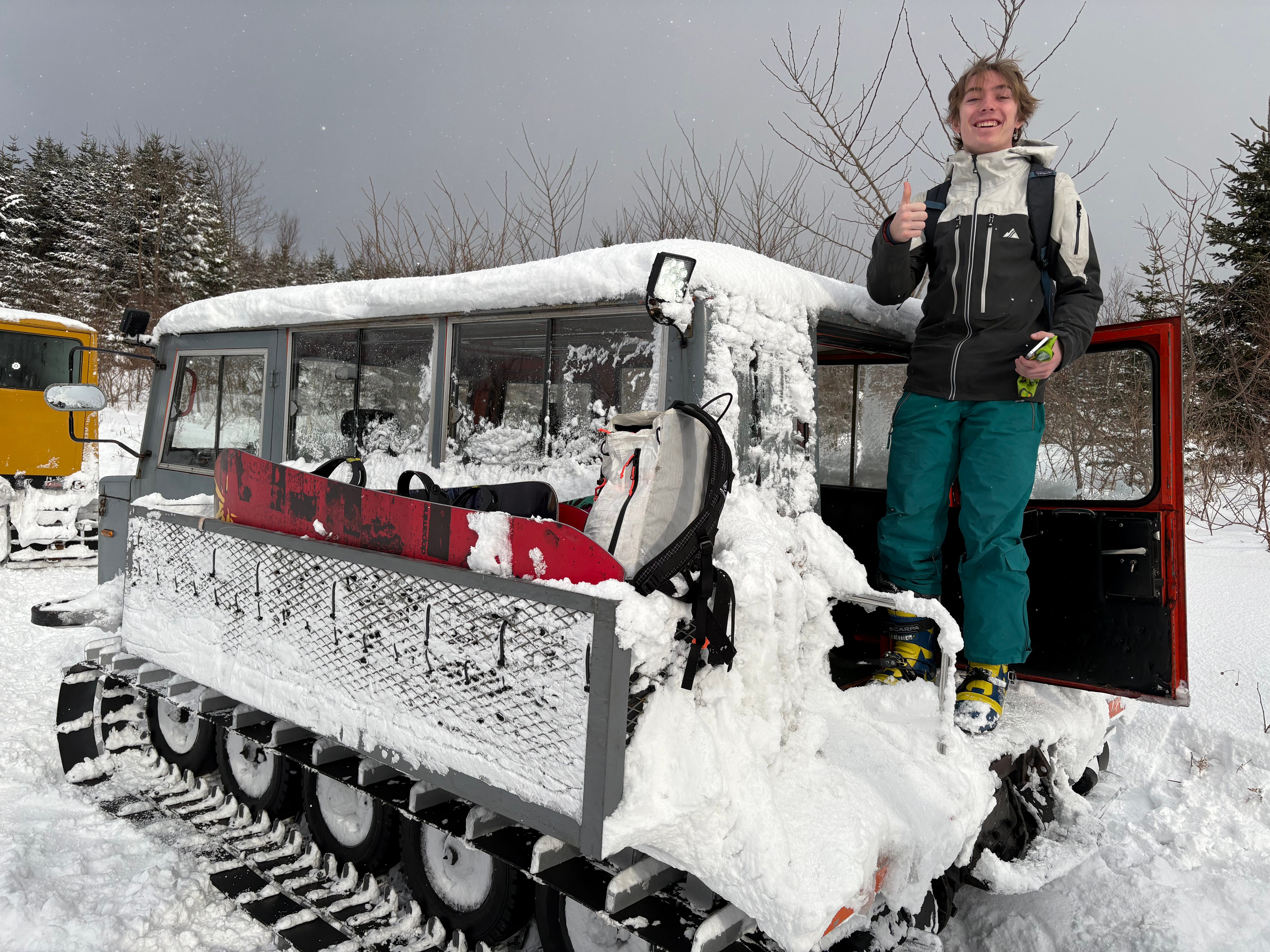
The Rankoshi snow was amazing, knee to waist deep power every day for a week. It was too much for a 60-year-old telemark skier who has only had a handful of deep powder days in the last 10 years. Japan powder is a whole different thing than groomed CB runs. Used to edging skies on hardpack, I wasn’t ready to let my skies float in that murky space between air and snowpack, a snow base so deep that we were literally flying through temperate rainforest treetops. So, while Cormac launched off cliffs into “hero snow”, I retreated to Moiwa, a local ski resort, making as many tele powder turns in two days as in several decades skiing Crested Butte.
I also really enjoyed Tokyo and Kyoto, where we wandered the streets, ate great food, visited culturally significant sites, and started collecting goshuin, calligraphy and stamps given out at Buddhist temples. Goshuin are unique to Japanese Buddhism, which arrived on the island ~1500 years ago and assimilated into indigenous Shintoism. Shinto emphasizes harmony with local spirits or kami, which often manifest natural forces such as plants, animals, and rocks. With millions of kami, it was not a stretch to add Buddha to the pantheon.
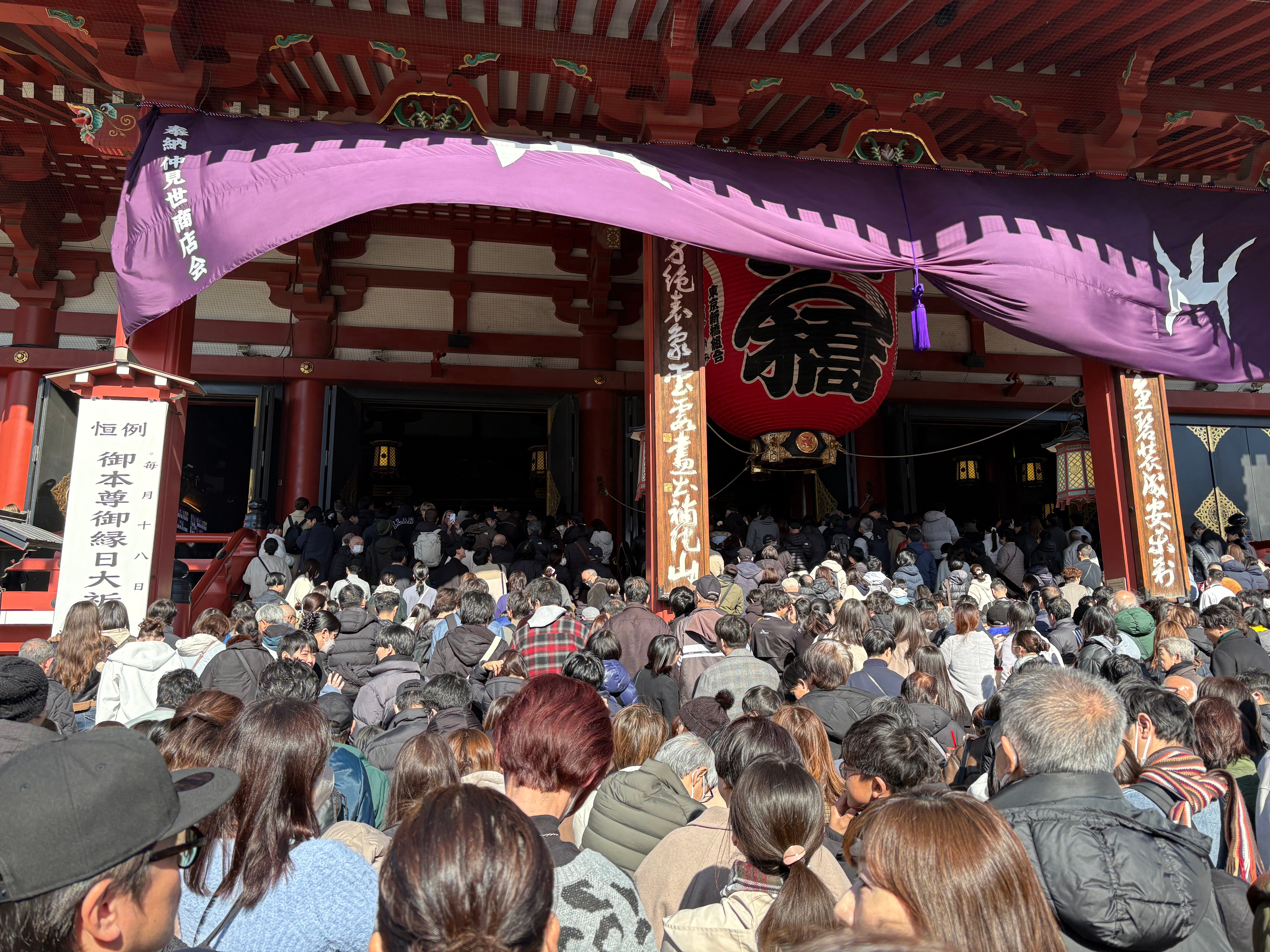
Upon arriving in Tokyo we stayed in the Asuska district. When Buddhism was still new to Japan some Asuska fisherman discovered a statue of Kannon, Goddess of Mercy and a Bodhisattva, an enlightened individual who delays nirvana to stay in the world. The Senso-Ji Temple, Tokyo’s oldest Buddhist Temple, emerged around this statue. The temple was only a few blocks from our hotel and on a Sunday, amidst incense and a throbbing but patient crowd, we found ourselves slowly ascending wooden stairs, to offer our reverence to a seated, wooden Bodhisattva Kannon.
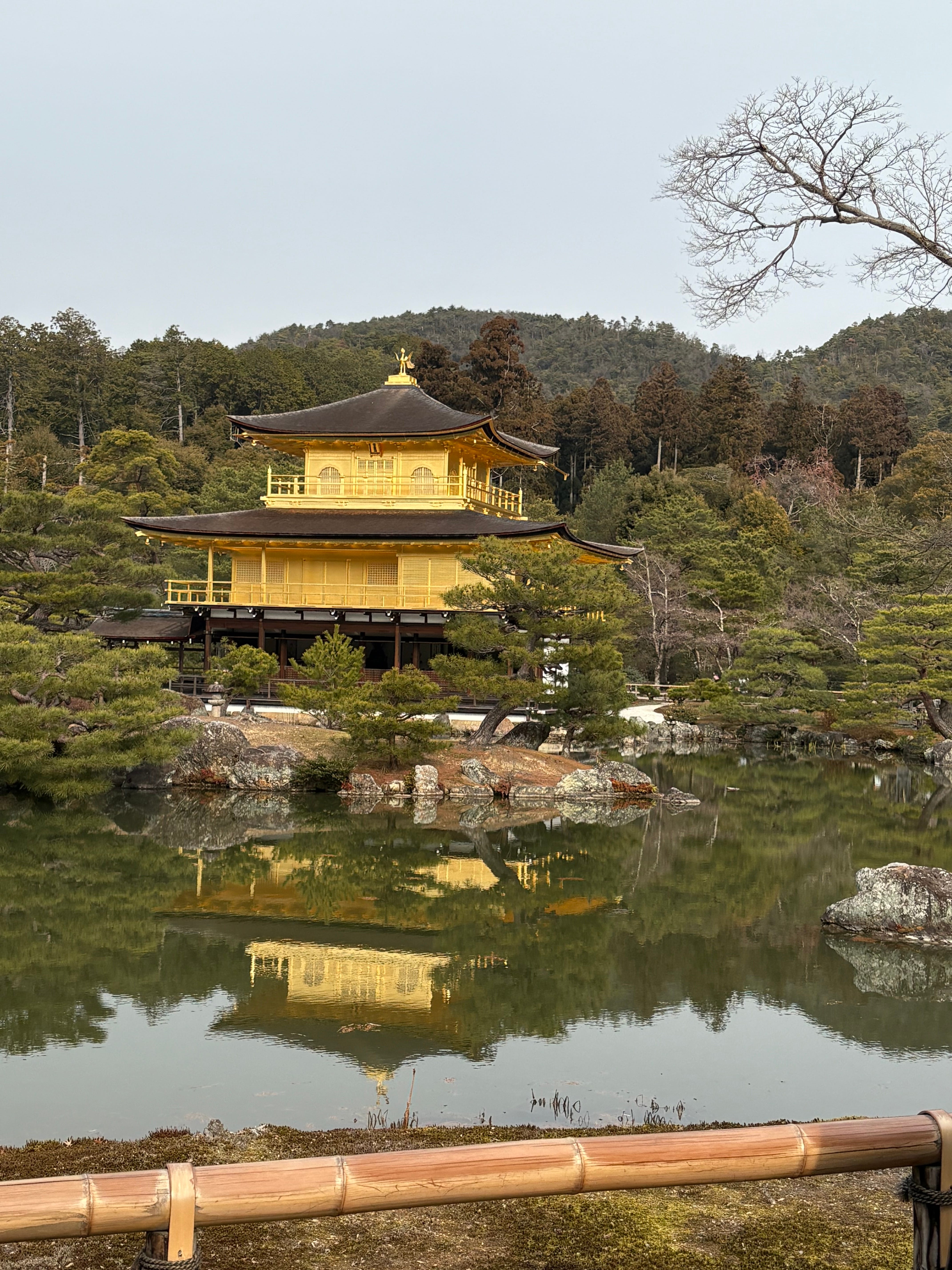
Several days later in Kyoto we visited the Gold and Silver Pavilions, culturally significant sites built by shoguns for their retirements. Kyoto served as the imperial capital of Japan for ~1,000 years until Tokyo became the capital in 1868. Starting in 1192 Japan was ruled by Shoguns, who were a combination of a CEO and a military dictator. The emperors, descendants of the Shinto sun goddess Amatersau, served as the ceremonial heads of state and conferred legitimacy on the shogunate. Shogun Ashikaga Yoshimitsu built the Gold Pavilion, Kinkaku-Ji, which became a Zen Buddhist Temple upon his death in 1408. His grandson, Shogun Ashikaga Yoshimasa, built the Silver Pavilion, Gingaku-ji, which became the center of Higashiyama culture, including Noh theater and the tea ceremony, and which also converted to a Zen Buddhist Temple upon the shogun’s passing in 1490.
At the pavilions we noticed visitors getting goshuin just before exiting. Visitors pay ~300 yen, hand over their goshuincho, and in return, receive goshuin, calligraphy and stamps which are sacred representatives of Buddha and serve as a protective talisman for the afterlife. This practice emerged about a century after Buddhism’s arrival in Japan when temples began providing pilgrims a stamped certificate in return for offering a sutra, a transcription of Buddha’s sayings. Eventually the practice morphed into accumulating goshuin in a goshuincho, an accordion-style book.
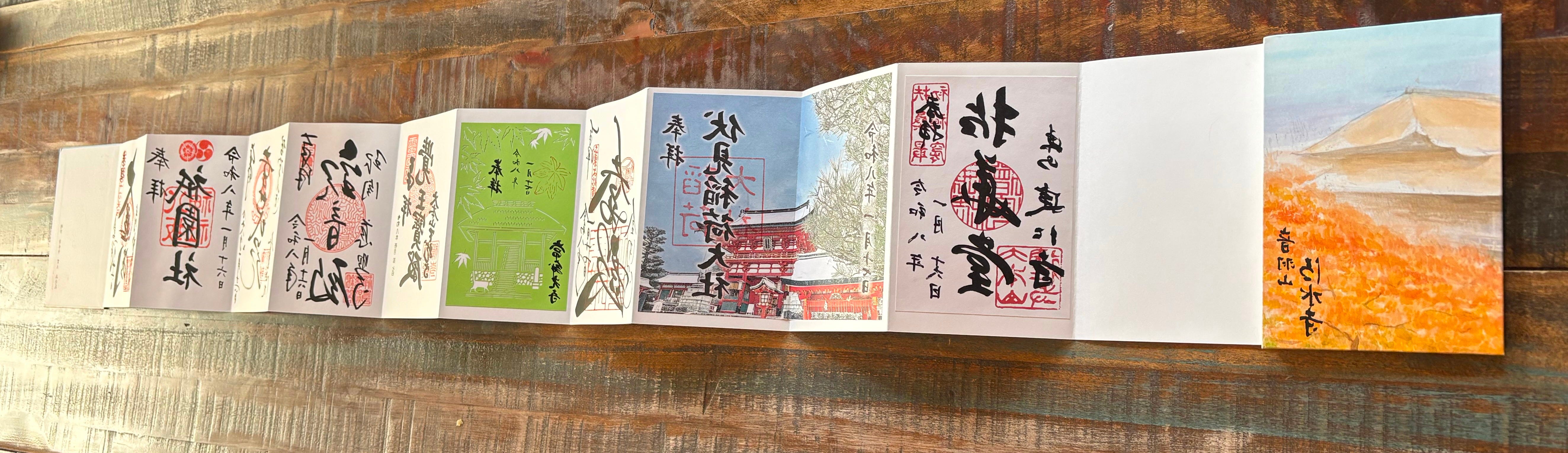
Curiousity compelled us to do a bit of homework and the next day we purchased our goshincho and obtained our first goshuin when we visited the Pure Water Temple, Kiyomizu-dera. A kindly interpreter explained that the goshuincho were not souvenirs but sacred religious items documenting the offering of prayers to the resident Buddha.
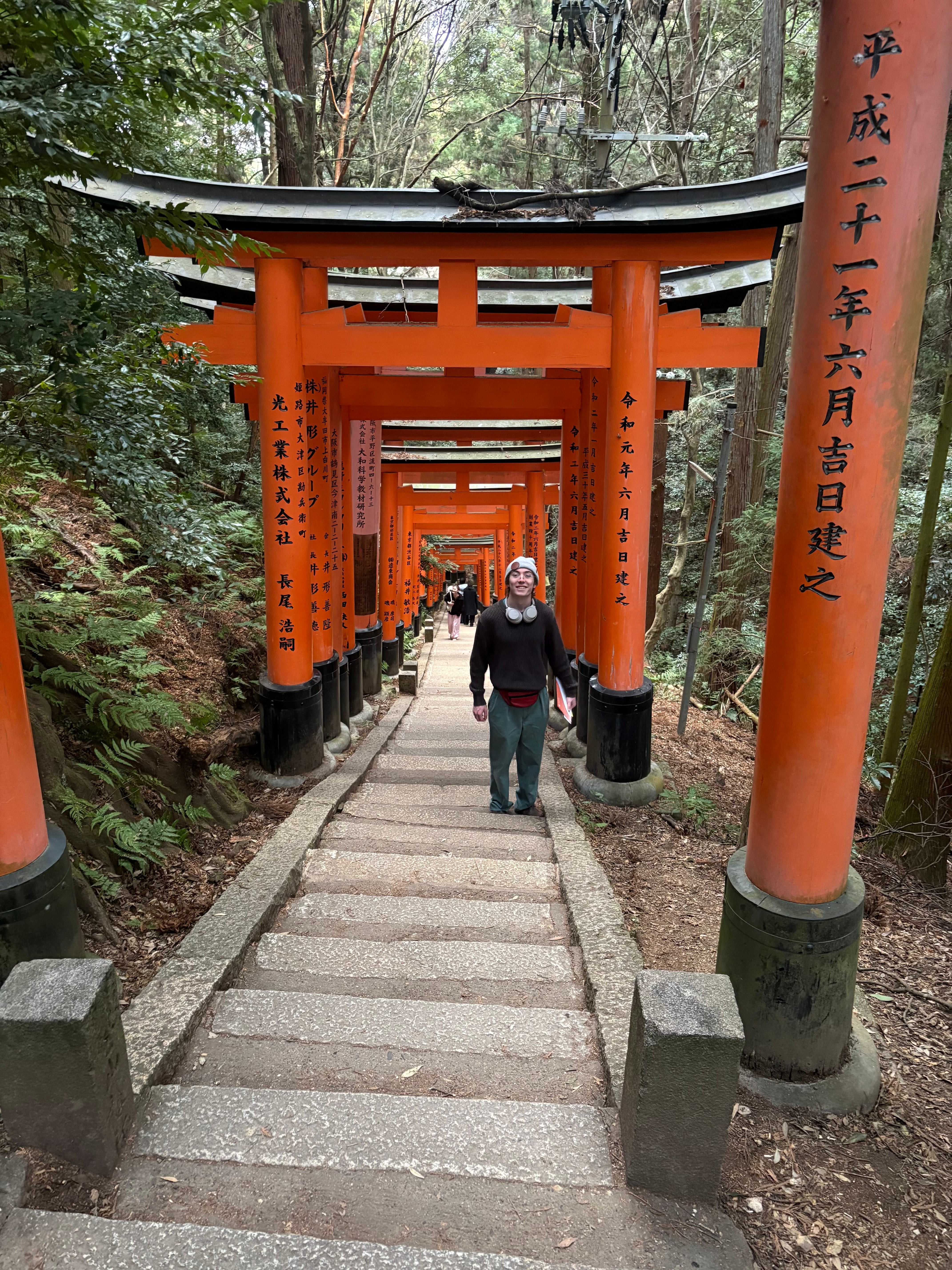
Taking this direction seriously, I used my time in Japan, in the presence of Buddha at the temples as well as with Shinto’s gods while skiing, to meditate on my life’s journey. Stepping away from an all-consuming job has given me the freedom to broaden my priorities. I turned 60 on the trip and having watched my parents struggle mentally and physically, time has been feeling shorter, reinforcing the importance of being intentional with my time.
Upon reflection, I liked how I spent 2025 and am excited about what I have planned for 2026. I have emphasized saying “yes” and creating opportunities to spend time with family and friends, something I will continue to lean into. On a more selfish level, I have been taking time to explore new places, such as Shetland and New Mexico, as well as new topics, including geology and languages. In 2026 I plan, with friends and family, to raft the Grand Canyon and go birding in the North Sea. I’m also very happy about serving my third term as Mayor. The biweekly council meetings are a nice, structured way of staying busy, but not too busy, and the work is deeply satisfying.
The main take-away from my Japanese “meditations” is an increased focus on my physical well-being. I’ve enjoyed a life-time of physical activity and I’d like to keep up an age-appropriate active, and even adventurous, lifestyle. However, my struggles skiing Japan’s powder make it clear I’ll need to be disciplined with my physical conditioning and stretching. It’s harder to jump into intense physical activity without good preconditioning, injuries are becoming more common, and recovery times are getting longer.
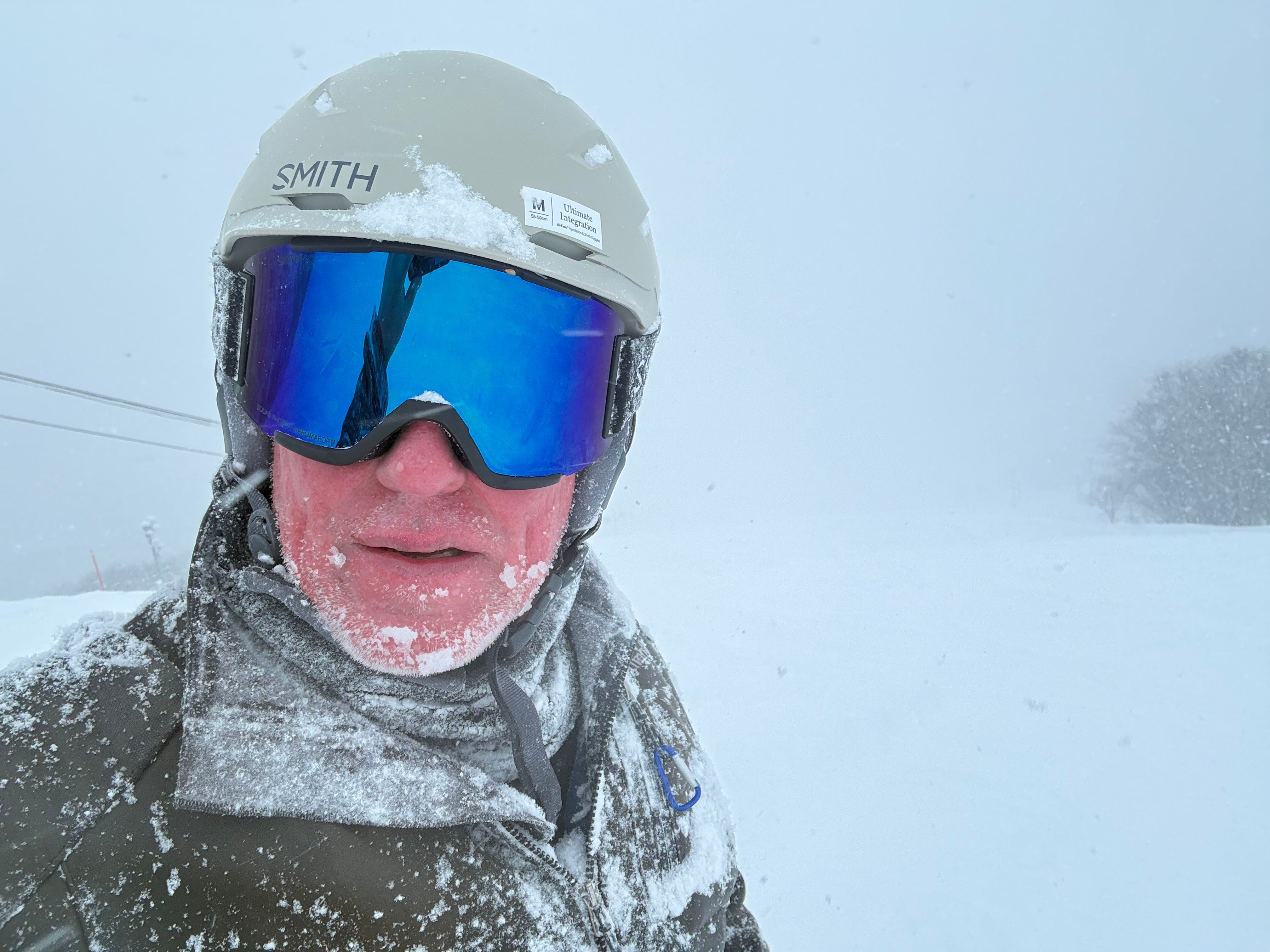
The tension between “chasing goshuin”, moving quickly between Buddhist Temples for the purpose of collecting beautiful artwork, versus using the journey as a sacred meditation on the act of living, sharpened my thinking about the upcoming years. Will I pass through life with a focus on collecting superficial tokens, photographs or passport stamps, of adventures? Will there be something more? Does there even need to be something more? Perhaps all I need to do is to walk through the mountains, embracing the flow of life, accepting the inevitable changes, including my physical and mental capacities, while doing my best to manifest grace, kindness, and detached engagement.
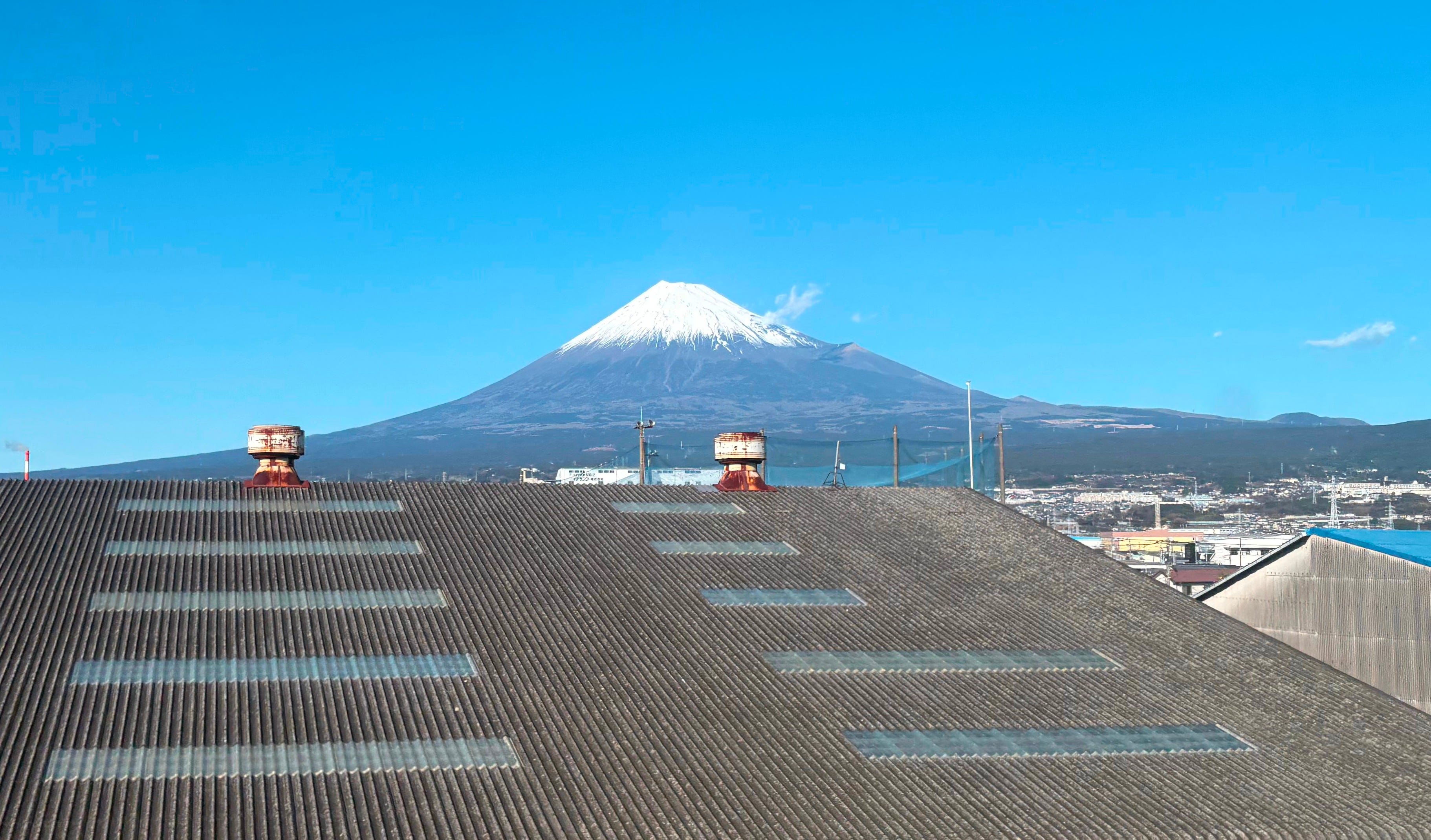
A shout out to Cormac for spending several weeks wandering Japan with me. Kudos to Type Two Three, who have built a wonderful community around skiing Japanese powder. I highly recommend their week-long experience if you are interested in communing with the Shinto gods by finding “flow” through powder skiing.